
Selling a Probate Property in Smith County, TX
A Simple, No-Hassle Guide for Heirs Who Want Clarity and Options
If you’ve inherited a property and are dealing with probate, you’re likely juggling paperwork, family decisions, and a home you didn’t plan to manage. Many families in Smith County find themselves asking the same question:
“What’s the simplest way to sell this house without repairs, commissions, or added stress?"
This guide explains how probate property sales work in Texas, what options heirs have, and why many families choose a direct, as-is cash sale when they want certainty and speed.
That’s why understanding your selling options early matters.
What Probate Means in Texas (Plain English)
Probate is the legal process used to settle a person’s estate after they pass away. In Texas, this usually involves:
Validating the will (if one exists)
Appointing an executor or administrator
Paying debts and taxes
Transferring or selling property
One important thing to know: Texas probate is often simpler than in many other states, especially when the estate qualifies for independent administration. That can make selling a probate property faster—if it’s handled correctly.
Still, probate can feel overwhelming, especially if:
You live out of state
The house needs repairs
There are multiple heirs involved
The property is vacant or behind on taxes
There’s no pressure here—just clear information so you can decide what makes sense for your situation.
Can You Sell a House During Probate in Texas?
Yes, in many cases, a house can be sold during probate in Texas.
Whether a sale is allowed depends on:
Who has been appointed as executor or administrator
Whether Letters Testamentary (or similar authority) have been issued
The type of probate administration involved
In independent administration (common in Texas), the executor often has authority to sell the property without court approval. In other cases, approval may be required.
Because every estate is different, many heirs choose a selling option that:
Works with the probate timeline
Avoids repairs and clean-out
Doesn’t require listing, showings, or commissions
Allows flexibility on closing dates
A direct, as-is sale is often the simplest path when speed and certainty matter more than maximizing top-of-market price.
Common Probate Property Situations in Smith County
Families we speak with often face one (or more) of these situations:
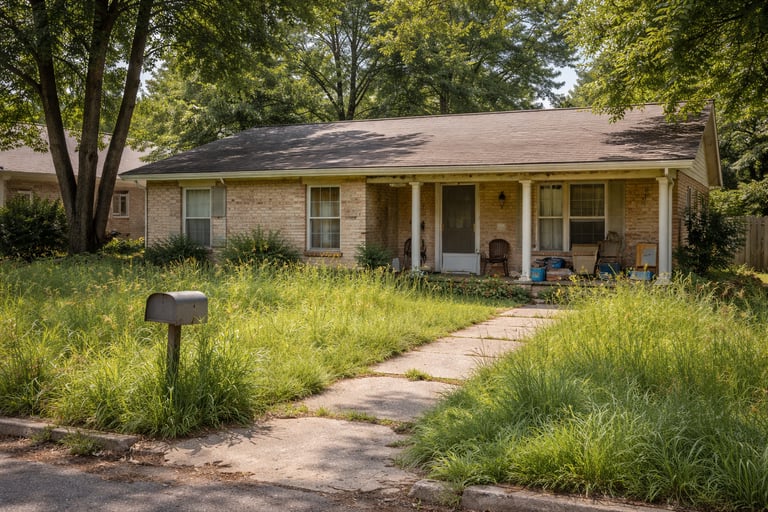
An inherited house in Tyler or surrounding areas that needs repairs
A vacant property attracting maintenance or code concerns
Multiple heirs who don’t all live locally
A home with an existing mortgage or back taxes
A property the family simply doesn’t want to manage
In these cases, listing with an agent can feel like more work than it’s worth—especially during probate.
In these cases, listing with an agent can feel like more work than it’s worth—especially during probate.
That’s why many heirs explore a direct cash sale, which allows the property to be sold:
As-is
Without repairs or clean-out
Without agent commissions
On a timeline that works with the estate
Many probate sellers choose a direct sale not because it’s the only option—but because it’s the least stressful during an already difficult time.




A real estate brand of SDL Capital Ventures LLC · All rights reserved
Privacy Policy | Terms of Service